Published: 4 min readAuthor: Yubacom
What is LED perimeter advertising and why brands invest in it
How a stadium LED perimeter works, what ad rotation is, why it is visible on TV and who it pays off for. A practical guide from the Yubacom team.
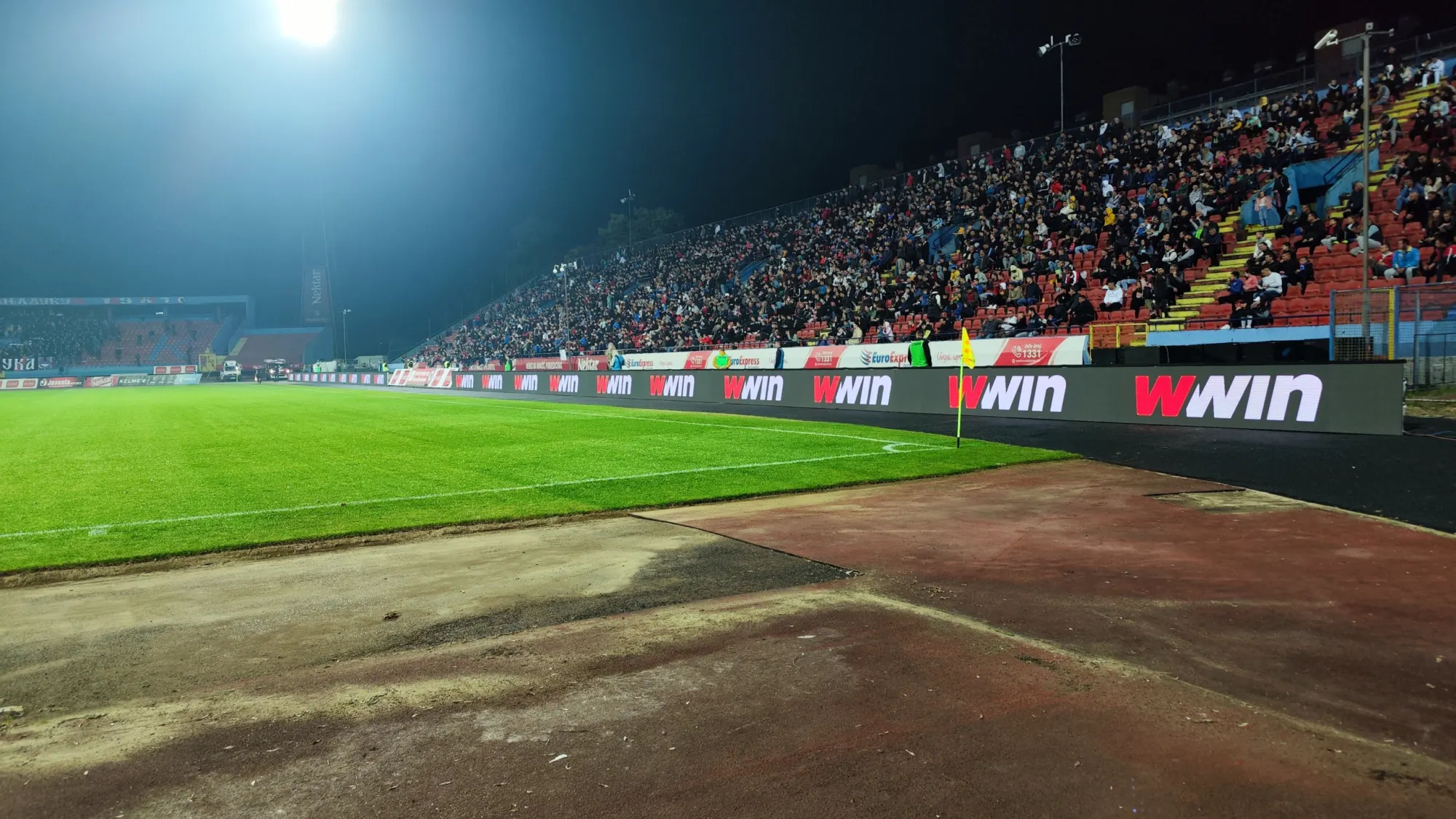
When you watch a national team or big club match, bright animated messages almost always rotate around the pitch. That is the LED perimeter – a chain of LED boards placed along the touchline, on which ads from several brands rotate throughout the match. This guide explains how the system works, why it became the standard and how a brand can use that space.
What an LED perimeter looks like
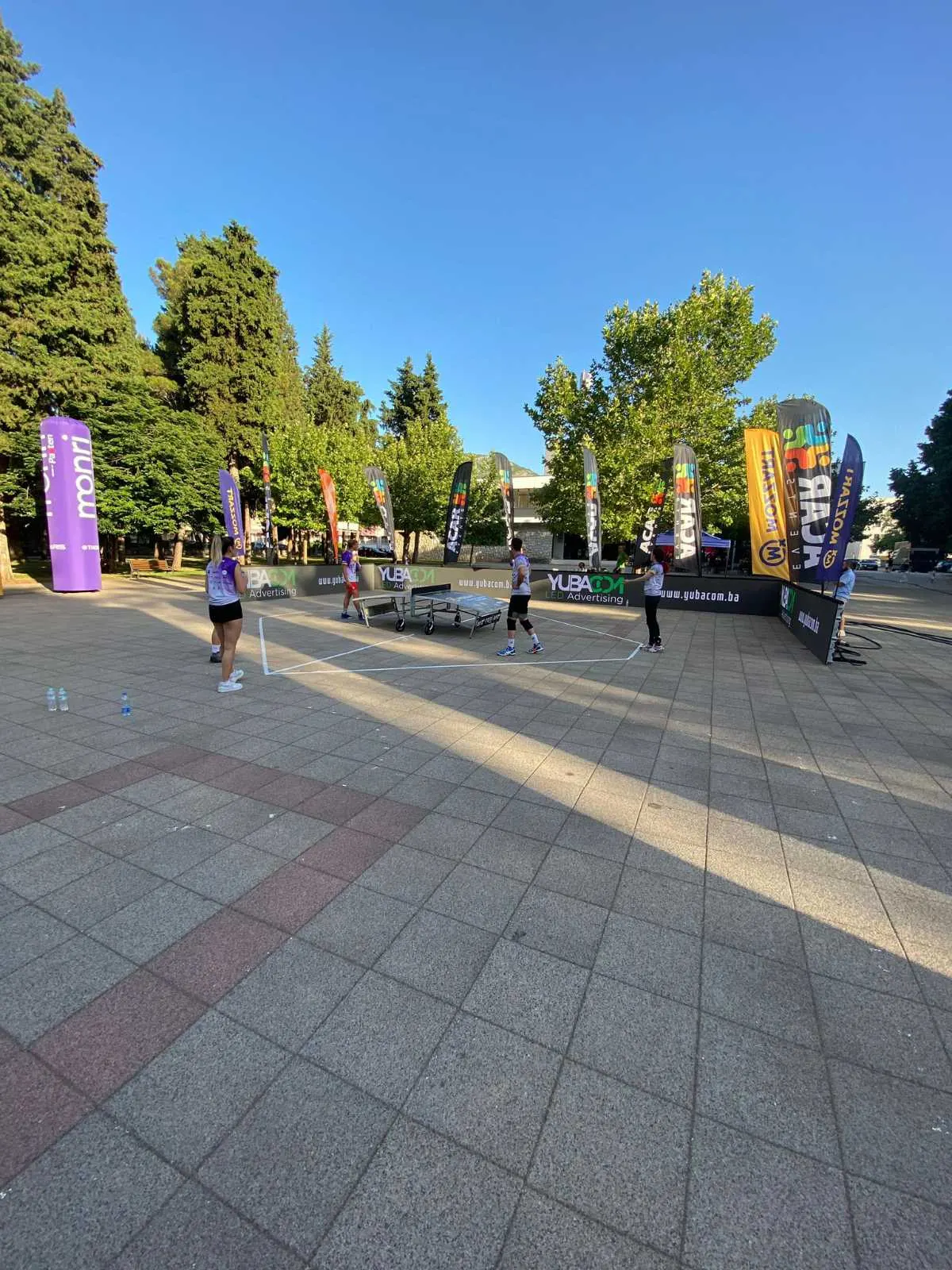
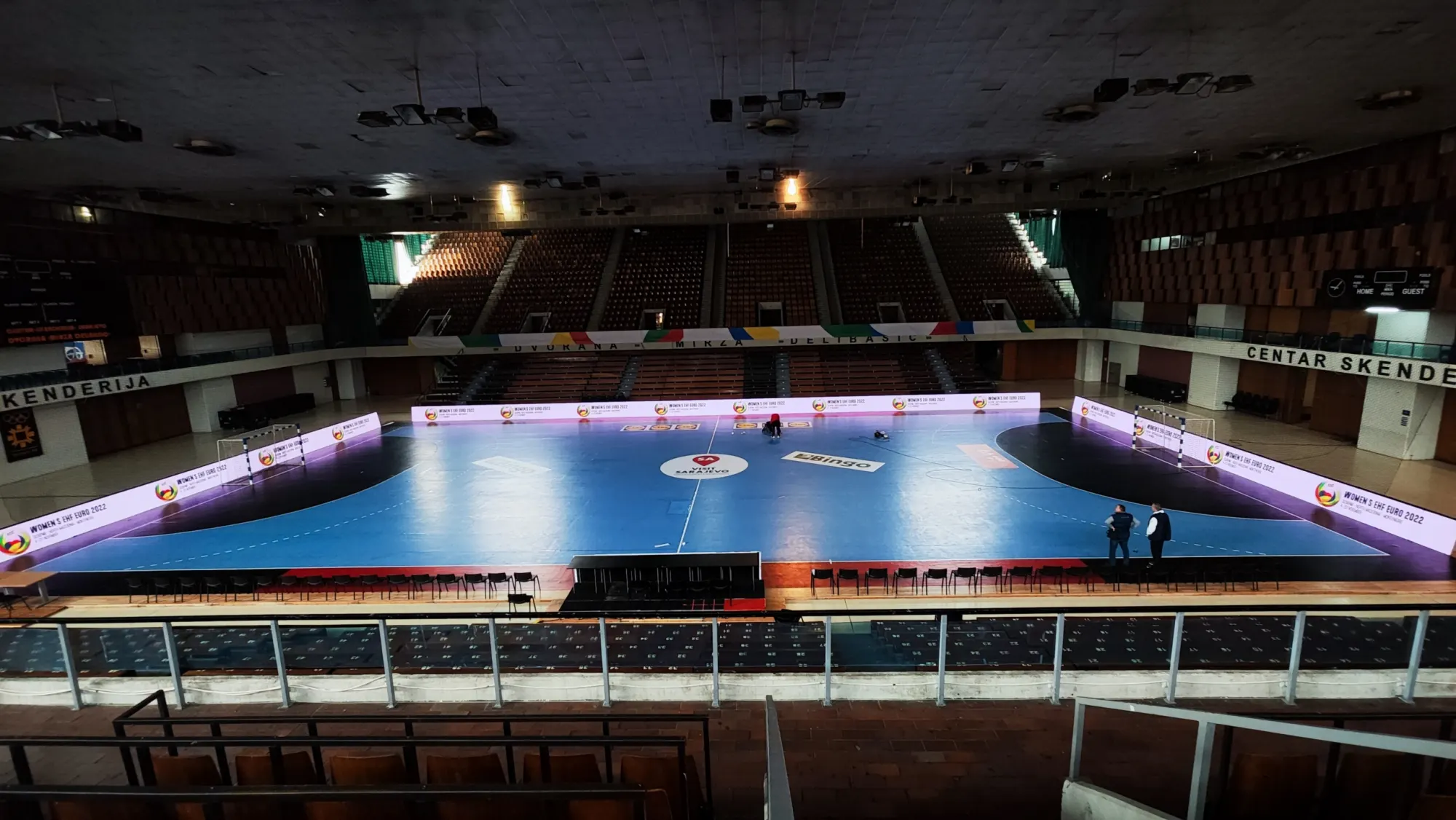
An LED perimeter is made of modules – smaller LED panels placed side by side to form a long, low strip around the pitch. In stadiums it usually runs along the touchlines and behind the goals; in arenas, along the edge of the handball, volleyball or basketball court.
All modules are connected to one control system, so the perimeter behaves like one giant screen: the same message can run across its full length, "travel" from one end to the other, or the perimeter can be split into zones with different content.
Unlike printed boards and banners, an LED panel emits its own light. The message stays legible in bright sun and under floodlights, and looks sharp and vivid on TV.
What ad rotation is
Rotation is the heart of the LED perimeter. Instead of one brand occupying part of the barrier for the whole match, several advertisers share the same space over time. The software runs a prepared schedule: how long each appearance lasts, in which order brands rotate and how many minutes each one gets in total.
This model has clear advantages:
- The full perimeter for your brand – when it is your turn, your message runs across the full length, not on a single board.
- Movement catches the eye – people naturally react to change, so rotation increases the chance your ad is noticed.
- Flexibility – content changes digitally, with no printing or installation, so you can run a different message at every match.
On match day an operator runs the rotation, making sure the schedule is respected and that the system reacts to special moments – for example, an animation after a goal.
Why the perimeter is visible on TV
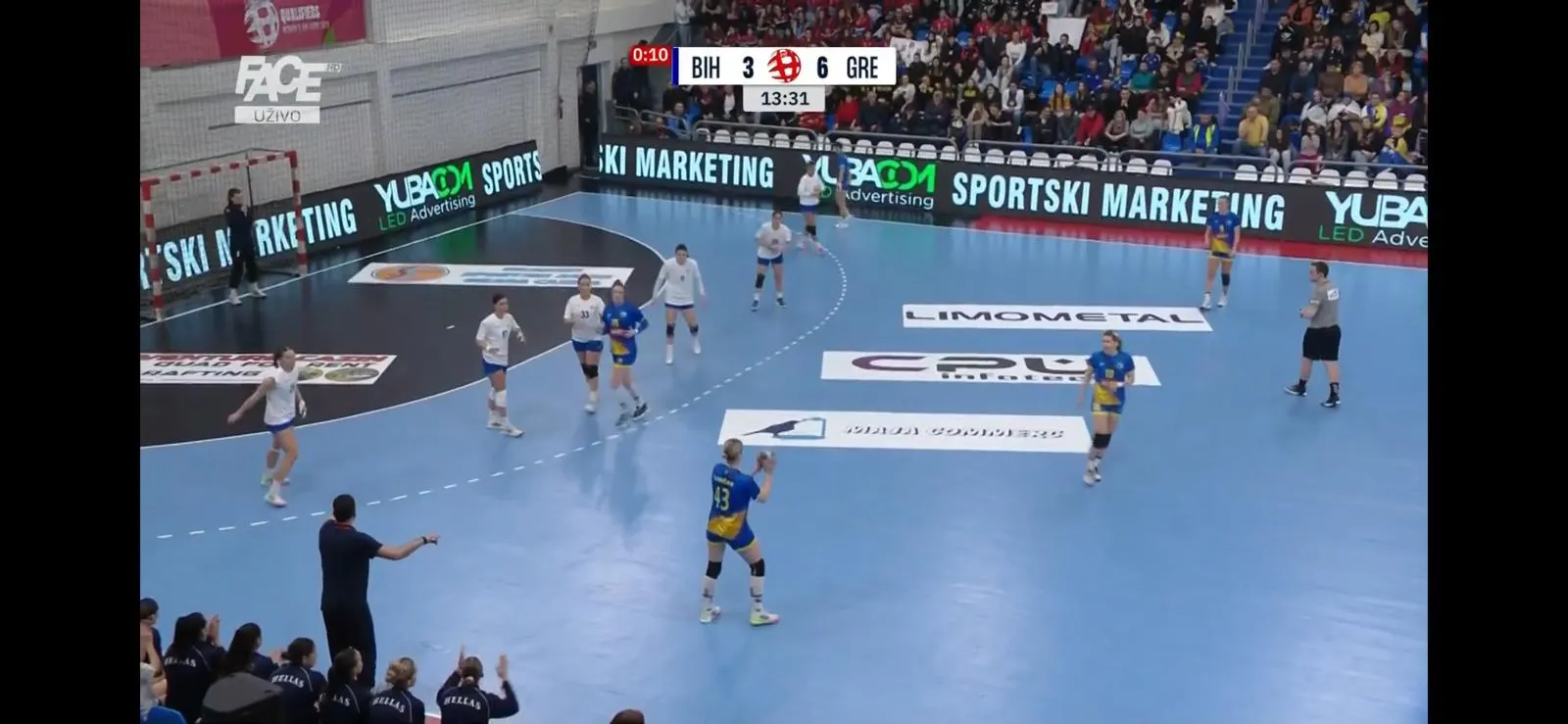
Broadcast cameras follow the ball most of the time, and the ball is usually near the touchline – exactly where the perimeter is. That is why LED ads appear in shot during attacks, stoppages, free kicks and replays, without viewers having to do anything.
That is a big difference compared to an ad break before or after the match, which viewers often skip. The perimeter is part of the game itself, so the message reaches people when their attention is highest.
Who LED perimeter advertising is for
LED perimeter advertising works particularly well for:
- Brands building awareness – banks, insurers, telecoms, beverages, retail. Frequent appearances in shot build name recognition.
- Campaigns with a clear time window – product launches, seasonal promotions, holiday campaigns. Minutes can be scheduled for matches in exactly that period.
- Brands that want a link with sport – the emotion of the match and the pride of fans transfer to brands that are part of the moment.
- Local and regional companies – the perimeter at domestic competitions puts you in front of the audience that is your market.
How booking works
- Agree on dates – choose matches or a competition and the number of minutes.
- Materials – send your logo and message. A finished animation is not required.
- Production – designers create the ad in the exact perimeter resolution, in static and animated versions.
- Proof – you review and approve the final version.
- Playout – the ad enters rotation and the match-day operator runs it.
What to watch out for
Not every ad works well on a perimeter. The format is extremely long and low, and the viewer is far away or watching through a camera. Simple messages work best: a logo, a few words and strong contrast. Thin type, long copy and fine detail get lost at a distance.
It also matters that the partner running the perimeter understands both the hardware and the content. When equipment, production and playout are in the same hands, there is less room for mistakes.
Conclusion
The LED perimeter combines the reach of major sporting events with the flexibility of a digital medium. Your message is on the pitch, in the shot and in the moment of highest attention – and it can change as often as you need.
To see how this could work for your brand, take a look at our LED perimeter advertising service or send us a quote request.