Published: 2 min readAuthor: Yubacom
Indoor or outdoor LED screen – a guide for organisers
Differences between indoor and outdoor LED screens: brightness, pixel pitch, weather protection and viewing distance. How to choose the right screen.
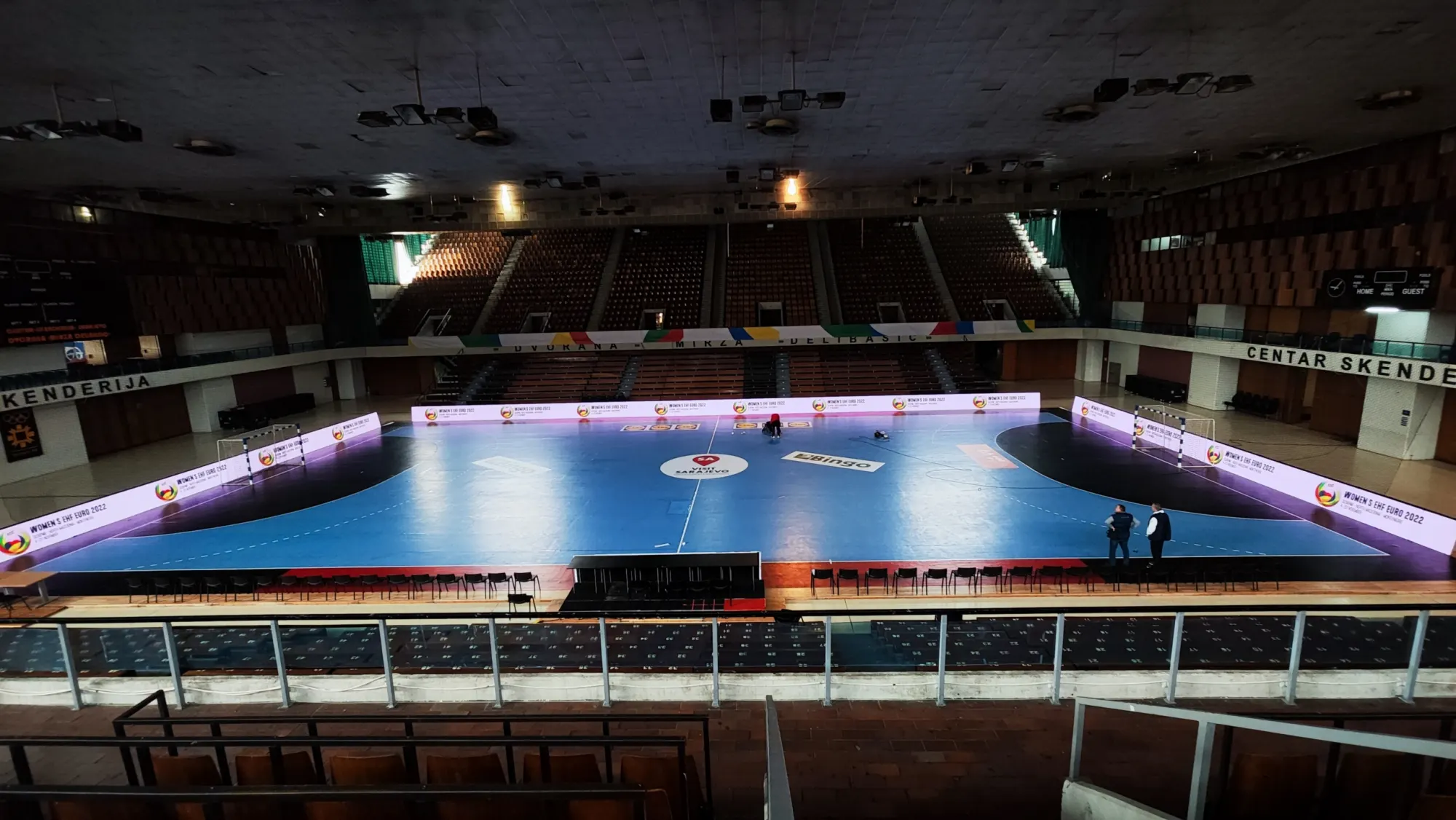
At first glance all LED screens look alike: black panels that light up and show an image. But a screen built for a conference room and a screen built for a city square at noon are two different products. Choose the wrong type and the image is either too weak or unnecessarily expensive.
Brightness: the key difference
LED screen brightness is measured in nits (cd/m²). An outdoor screen competes with the sun, so it must be many times brighter than an indoor one. Indoors, that level of brightness would be uncomfortable, so indoor screens run lower.
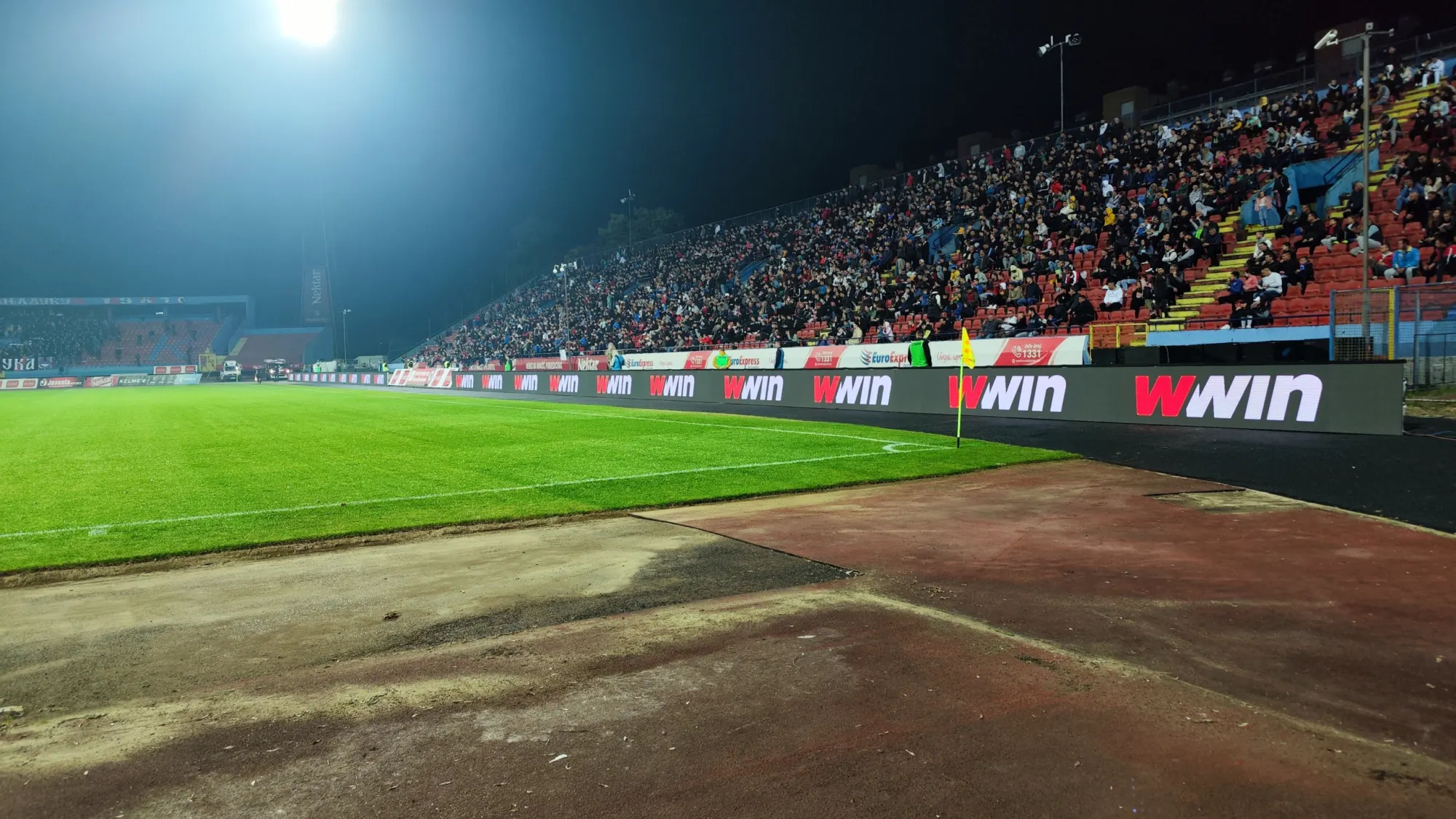
Rule of thumb: if the screen will run outdoors during the day, you need an outdoor screen. For evening outdoor events the difference is smaller, but an outdoor screen is still the safer choice because of the weather.
Pixel pitch and viewing distance
Pixel pitch is the distance between the centres of two adjacent pixels. The smaller it is, the sharper the image up close. Indoor screens usually have a smaller pitch because they are viewed from shorter distances.
Outdoor screens are mostly viewed from afar, so a larger pitch is fine: from tens of metres the eye cannot distinguish individual pixels.
- Audience close (a few metres) → smaller pixel pitch, usually indoor.
- Audience at medium distance (hall, arena) → medium pitch.
- Audience far away (square, stadium, festival) → larger pitch, outdoor.
Water and dust protection (IP rating)
Outdoor screens carry a higher IP rating, meaning they are protected against rain, moisture and dust. Indoor screens are not and must never be exposed to the weather – even under a roof, check for wind-driven rain or condensation.
Structure and installation
Outdoor screens are usually heavier and need a sturdier structure, especially when exposed to wind. Indoor screens are lighter and more flexible – stage-mounted, flown or on stands.
What you show
- Slides with text and charts need a sharper image – smaller pitch.
- Video and animation look good on a larger pitch, especially from a distance.
- Match screenings in fan zones need a large, bright surface, since people watch for a long time from many distances.
Common mistakes
- An indoor screen outdoors in daylight – washed-out, hard to read.
- An overly dense screen for a long viewing distance – paying for sharpness nobody sees.
- A screen too small for a large audience.
- Ignoring power and access.
Conclusion
Indoor or outdoor is not a matter of taste but of conditions: light, distance and weather. Once you know where and how your audience will watch, the choice is easy.
If you are planning a permanent installation, see our LED screen sales and installation service. For one-off events, reach us via the quote form.